- How many plays should a 5- or 6-year-old team have?
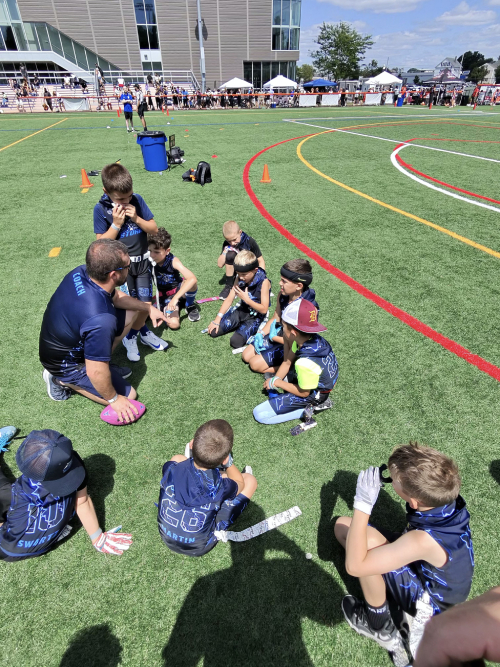
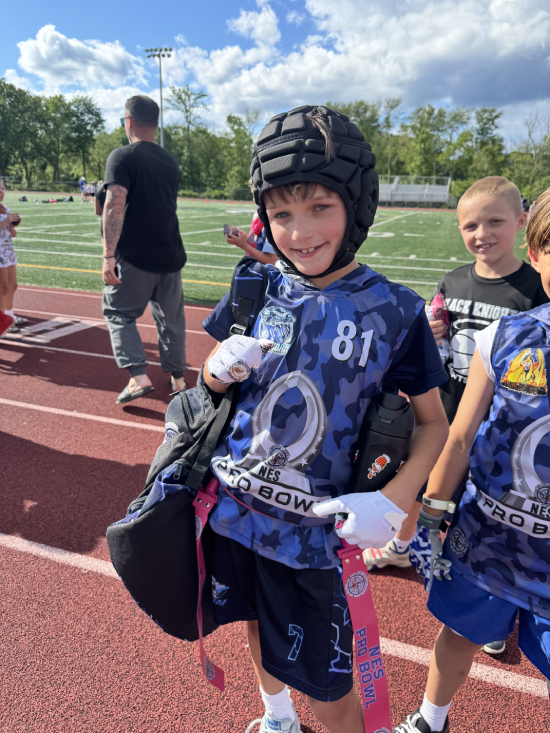
- Fewer than feels comfortable. At that age the playbook should be intentionally small, because the measure isn't how many plays exist — it's whether every kid can break the huddle, get to the right spot, understand their assignment and execute it without a coach directing traffic. A handful of plays you can actually run beats twenty sitting on a wristband nobody reads.
- When can a youth team handle more plays?
- When the ones you have are genuinely installed and the players are retaining terminology instead of relying on you to reposition them every snap. Older players can hold concepts rather than individual assignments, which is what lets a playbook grow without getting confusing. Grow it because they're ready, not because the season is halfway over.
- What makes a play good for young kids?
- You should be able to point at the diagram and answer five things in about ten seconds: where everyone lines up, who gets the ball, where the primary player goes, what everyone else is doing, and why it has a chance to work. If explaining it takes longer than that, it's a play for an older team.
- Do kids have to memorize the playbook?
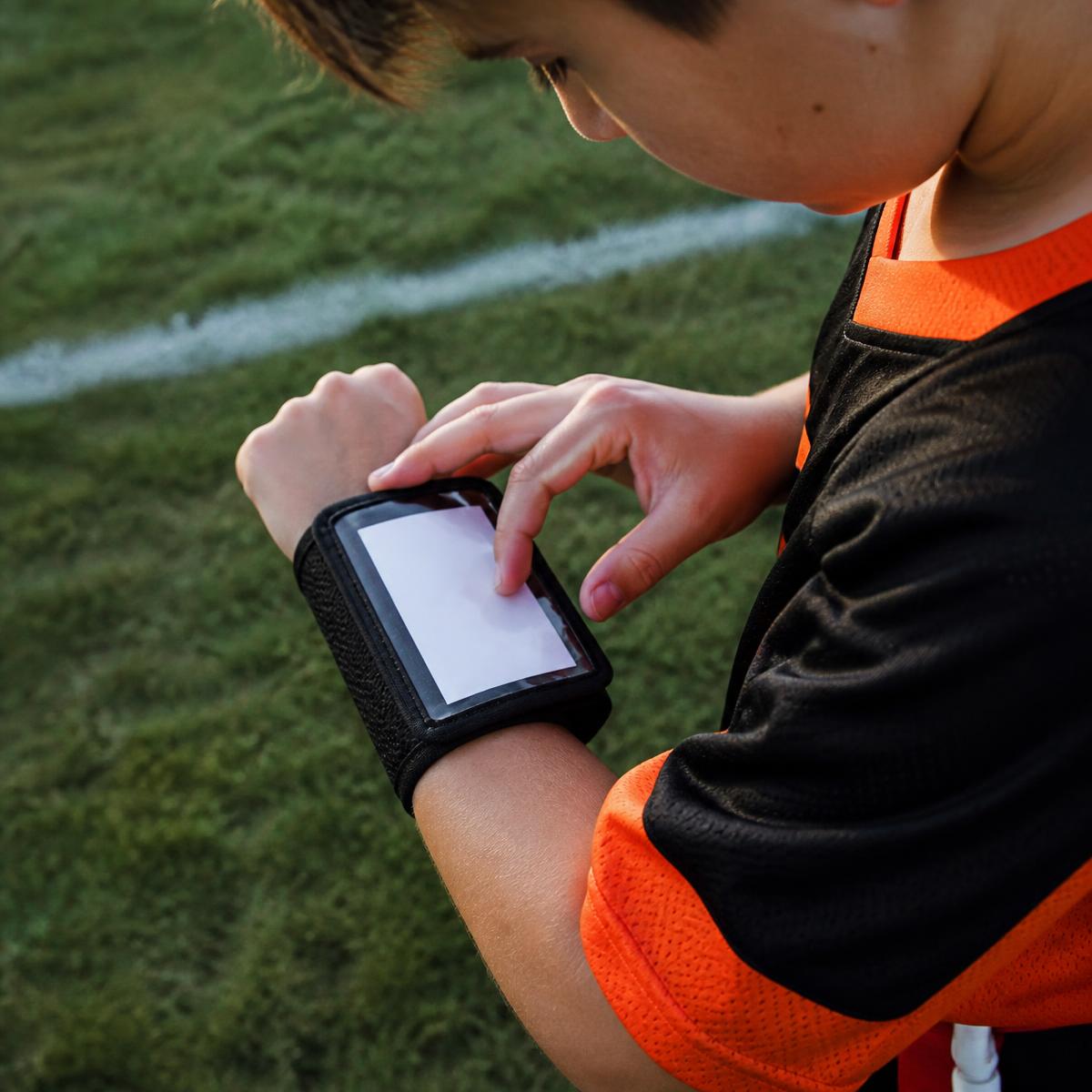
- No, and asking them to is usually where youth playbooks fall apart. Number the plays and let the wristband carry the memory. A player who hears a number and finds the right picture is running your offense; a player trying to recall twelve diagrams from Tuesday is thinking instead of playing.
- How does animation help with young players?
- With a 5- or 6-year-old, watching the little circle move from where they line up to where they're supposed to end up often communicates more than a minute of explanation. Press play and they see the whole thing happen — including the motion, the handoff and where the ball goes — rather than trying to convert a static drawing into movement in their head.
- Can parents and players review plays at home?
- Yes. You can privately share a playbook with a link, and players or parents can open it, look at each play and watch the animation on a phone. It's read-only — nobody can change your plays — and the link stays under your control. Ten minutes at the kitchen table on a Thursday is worth a lot of practice time on Saturday.
- How do I keep assistant coaches teaching the same thing?
- Put the playbook somewhere every coach sees the same version. Screenshots, group texts and separate notebooks are how two coaches end up teaching two versions of one play, and at this age the kids can't reconcile the difference. A shared team playbook means the adjustment you make Wednesday is what everyone coaches Saturday.
- Does this work for youth tackle as well as flag?
- Yes. Flag formats run 5v5 through 9v9, and tackle formats include 9v9, 11v11 and 12v12 with linemen and blocking assignments drawn as bars rather than arrows, so a diagram never implies contact your league doesn't allow. The teaching approach doesn't change much — alignment first, assignment second, everything else after.
- Do I need to be good at drawing to use it?
- No. Pick your format and the players are already aligned; drag anyone where you want them and draw a route with one motion. Route presets cover the common ones, and every player can be renamed to whatever your team calls them, including a kid's actual name for younger groups.